
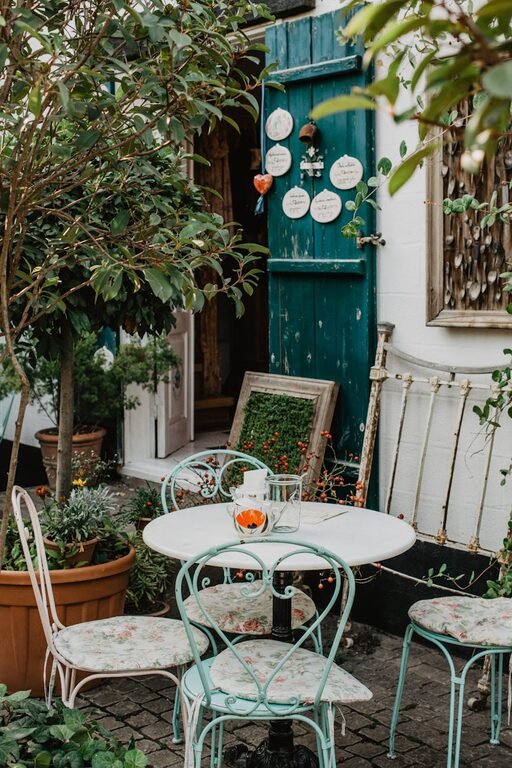
Creating a relaxing garden space at home is a wonderful way to enhance your wellbeing and enjoy the outdoors. Whether you have a small balcony or a sprawling backyard, with thoughtful planning and design, you can craft a peaceful oasis that invites calm and comfort. Here are some useful tips to help you design your ideal garden retreat.
1. Choose the Right Location
The first step in creating a relaxing garden is selecting a suitable spot. Look for an area that offers a sense of privacy and shelter from noise or busy roads. If you have limited space, even a sunny corner on your patio or balcony can work beautifully. Consider how much sunlight the area receives during the day and choose plants accordingly.
Consider natural shade
If your garden gets a lot of sun, think about adding natural shade through trees or large shrubs. This not only cools down the space but also adds to the feeling of being enveloped in nature.
2. Incorporate Comfortable Seating
A relaxing garden is incomplete without a cosy place to sit and enjoy the surroundings. Invest in comfortable garden furniture such as cushioned chairs, benches, or even hammocks. Choose weather-resistant materials like teak, wrought iron, or rattan to ensure durability.
Create seating nooks
For added privacy, position seating behind hedges or walls, or use garden screens and trellises with climbing plants to form secluded corners.
3. Use Soothing Colours and Textures
Colours and textures play an important role in setting the mood of your garden. Opt for a calming colour palette with soft greens, blues, purples, and pastels. These hues are known to promote relaxation.
Mix foliage textures
Combine plants with different leaf shapes and textures, such as feathery ferns with glossy hostas, to create visual interest without overwhelming the senses.
4. Add Water Features
The gentle sound of water can be incredibly soothing. Consider installing a water feature like a small fountain, pond, or birdbath. The trickling sound helps mask urban noise and attracts wildlife, adding another layer of tranquility.
Keep it simple
If space or budget is limited, even a shallow bowl filled with water and floating candles can enhance the atmosphere.
5. Select Plants That Promote Calm
Certain plants are known for their relaxing qualities, whether through their scent, colour, or texture. Lavender, jasmine, chamomile, and mint are popular choices that also bring sensory delight.
Include evergreen plants
Adding evergreens ensures your garden maintains colour and structure throughout the year, keeping the space inviting even in quieter seasons.
6. Emphasise Natural Materials
Using natural materials for garden paths, furniture, and ornaments helps the space feel more grounded and harmonious. Stone, wood, and bamboo blend well with plants and contribute to a natural, peaceful environment.
Create a natural path
A winding gravel or stepping stone path encourages gentle strolls and leads you through different parts of the garden to explore.
7. Mind the Lighting
Soft garden lighting allows you to enjoy your space even as the sun sets. Use solar-powered lanterns, string lights, or low-level LED lamps to create a cosy, welcoming glow.
Avoid harsh lights
Steer clear of bright or flashing lights that could disturb the peaceful atmosphere.
8. Personalise Your Space
Incorporating personal touches makes your garden feel like a true sanctuary. Add favourite sculptures, wind chimes, or handmade ornaments that reflect your style.
Include practical elements
If you enjoy gardening, incorporate raised beds or pots that are easy to reach. If reading is your relaxation, add a small table for books and drinks.
9. Keep It Tidy but Natural
A well-maintained garden is more inviting. Regularly prune, weed, and clean your space to keep it fresh. However, avoid an overly manicured look; a slightly wild, natural feel often enhances relaxation.
Encourage wildlife
Plant native species to attract birds, bees, and butterflies, bringing gentle movement and life to your garden.
10. Plan for All Seasons
To enjoy your garden all year round, think about seasonal plants and features. Plan for spring bulbs, summer blooms, autumn foliage, and winter evergreens.
Use accessories for warmth
Outdoor rugs, throws, and cushions can make seating areas cosy in cooler months.
—
By following these tips, you can create a garden that’s not only beautiful but also a true retreat from daily stresses. Remember, your garden is a personal haven, so adapt these ideas to suit your tastes and space. With a little care and creativity, your outdoor space will become a source of calm and joy throughout the year.