
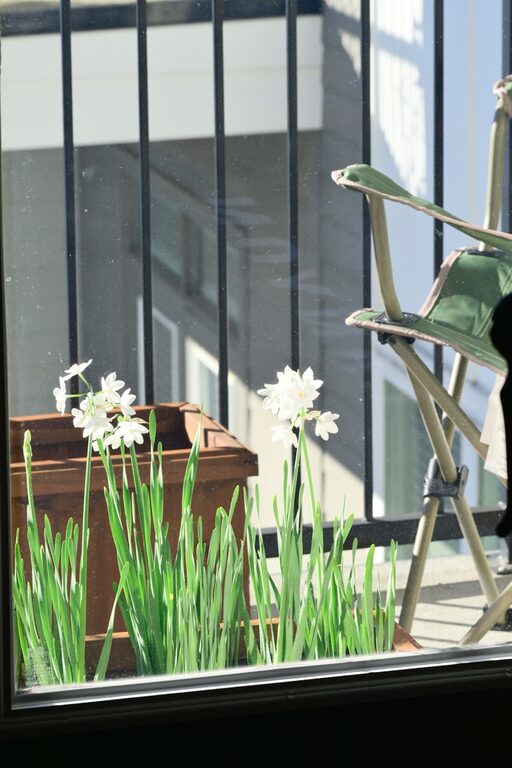
Urban gardening is becoming increasingly popular as more people look for ways to reconnect with nature, even in the heart of a busy city. Whether you have a tiny balcony, a window ledge, or a small patio, growing plants and vegetables can be both rewarding and practical. This guide explores the benefits of urban gardening and provides clear steps to help you get started, no matter the size of your space.
Why Urban Gardening Matters
Urban gardening offers a range of benefits that go beyond just growing your own food or flowers. Here are some of the key advantages:
1. Improves Mental Wellbeing
Spending time nurturing plants can reduce stress and boost your mood. Gardening encourages mindfulness and provides a calming focus, which is especially valuable in fast-paced city environments.
2. Enhances Air Quality
Plants help clean the air by absorbing pollutants and releasing oxygen. Even a few pots of greenery can contribute to fresher indoor air in your home.
3. Provides Fresh Produce
Many small-space plants grow fast and yield fresh herbs, vegetables, or fruits. This can lead to healthier eating habits and reduce trips to the supermarket.
4. Supports Biodiversity
Urban gardens can create habitats for pollinators like bees and butterflies, helping to maintain local ecosystems.
5. Saves Money
Growing your own herbs and salad greens cuts down on grocery bills and can reduce food waste.
Getting Started With Urban Gardening in Small Spaces
Starting a garden in a limited area does not require extensive experience or a lot of tools. Follow these simple steps to build your own city garden.
Choose the Right Location
Identify spots in your home that receive good natural light. South-facing balconies or windows often provide the best sunlight. If light is limited, select plants that thrive in shade or indirect light.
Select Suitable Containers
There is a wide variety of containers that can fit any space or style:
– Small pots for herbs and succulents
– Window boxes for flowers or salad greens
– Vertical planters or hanging baskets to save floor space
Make sure containers have drainage holes to prevent waterlogging.
Pick Easy-to-Grow Plants
For beginners, choose plants that are low maintenance:
– Herbs: Basil, parsley, mint, and thyme grow well indoors or outside
– Leafy greens: Lettuce, spinach, and rocket are quick to harvest
– Edible flowers: Nasturtiums or pansies add colour and flavour
– Compact vegetables: Cherry tomatoes and radishes work well in pots
Use Quality Soil and Compost
Good soil is essential for healthy plants. Buy a quality potting mix or make your own with garden soil, compost, and some perlite for drainage. Adding organic fertilisers helps supply necessary nutrients.
Create a Watering Routine
Plants in containers generally need more frequent watering than garden beds. Check moisture levels regularly and water when the top inch of soil feels dry. Avoid overwatering as this can harm roots.
Maximise Space with Vertical Gardening
Vertical gardens use trellises, wall-mounted planters or stackable containers to grow plants upwards. This is perfect for small balconies or indoor spaces with limited floor area.
Start Small and Expand Gradually
Begin with a few plants and learn how they grow. Once you feel confident, try experimenting with different species and layouts.
Additional Tips for Success
– Rotate plants occasionally to ensure even light exposure
– Use natural pest control methods such as neem oil or companion planting
– Clean pots and tools regularly to prevent disease
– Label plants to keep track of different varieties
– Consider using grow lights during darker months
Conclusion
Urban gardening in small spaces is a rewarding hobby that benefits both your wellbeing and the environment. With a bit of planning and enthusiasm, you can create a lush and productive garden no matter how little space you have. Start small, choose easy plants, and enjoy the natural connection that gardening brings into your urban lifestyle.