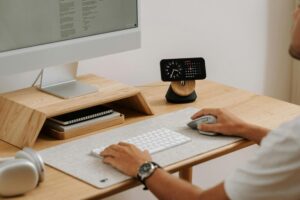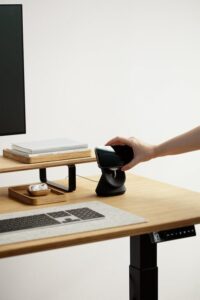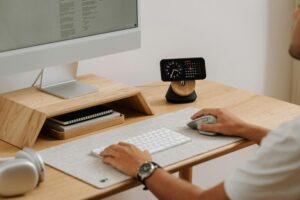
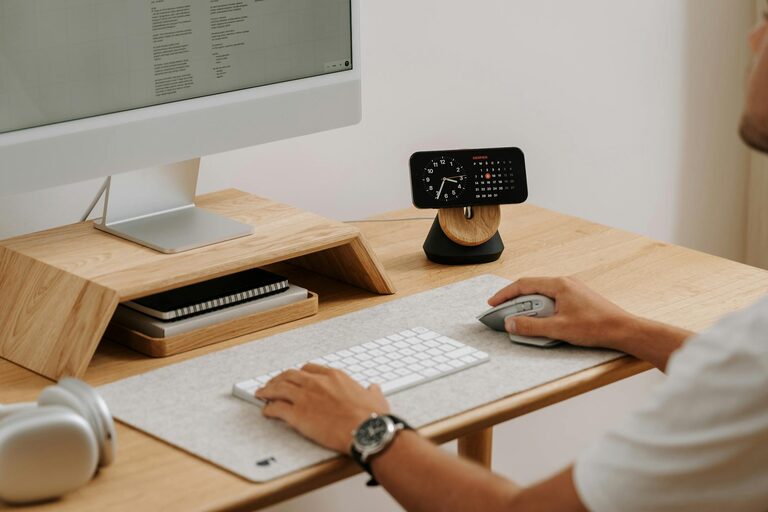
Creating a home workspace that is both relaxing and productive can make a significant difference in your work-from-home experience. Whether you’re freelancing, running a business, or simply remote working, having a dedicated area designed with your comfort and efficiency in mind helps you focus, reduces stress, and keeps your motivation high. Here are several helpful tips to guide you in setting up an ideal home office environment.
Choose the Right Location
The first step is selecting the best spot for your workspace. Consider the following:
– Quietness: Look for a place with minimal distractions and noise to maintain concentration.
– Natural Light: Position your desk near a window if possible; natural light improves mood and reduces eye strain.
– Space: Ensure there’s enough room for your desk, chair, and any equipment or paperwork you need.
If your home doesn’t offer a dedicated room, even a quiet corner with a small desk can work well.
Invest in Comfortable Furniture
Comfort is key to staying productive without fatigue:
– Ergonomic Chair: Choose a chair with lumbar support, adjustable height, and armrests to promote good posture.
– Desk Height: The desk should allow your forearms to rest parallel to the floor when typing.
– Desk Size: Ensure you have ample surface space for your computer, notebooks, and other essentials.
Consider accessories like a footrest or a sit-stand desk converter to add flexibility.
Organise Your Workspace
A tidy workspace supports a clear mind. Try these organisation tips:
– Declutter Regularly: Remove items that don’t serve your work purpose.
– Use Storage Solutions: Incorporate shelves, drawers, or boxes to keep supplies organised.
– Keep Essentials Close: Keep frequently used items within easy reach to avoid distractions.
Label folders and use cable organisers to keep cords neat and out of the way.
Personalise to Promote Calmness
Personal touches can make your workspace inviting without being distracting:
– Colour Scheme: Choose calming colours like soft blues or greens for walls or desk accessories.
– Plants: Small indoor plants improve air quality and add a relaxing natural element.
– Art and Photos: Select inspiring but not overpowering artwork or photographs.
Avoid cluttering your desk with too many decorative items to maintain focus.
Control Lighting and Screen Glare
Good lighting prevents eye strain and headaches:
– Layer Lighting: Use a combination of natural light, ambient overhead light, and task lighting like a desk lamp.
– Position Screens Carefully: Arrange your monitor to avoid glare from windows or lights.
– Adjust Brightness: Set your screen brightness to a comfortable level.
Consider using blue light filters or software to reduce eye fatigue during long working hours.
Establish Boundaries Between Work and Relaxation
Maintaining balance is vital for productivity and wellbeing:
– Set Working Hours: Define clear start and finish times to prevent overworking.
– Designate Zones: If possible, separate your workspace from relaxation areas.
– Communicate Boundaries: Let household members know when you are working and shouldn’t be disturbed.
Using headphones can also signal to others that you are in ‘work mode’.
Incorporate Movement and Breaks
Sitting for long periods can drain energy:
– Take Regular Breaks: Stand up, stretch, or walk around every hour.
– Include Movement in Your Space: Keep resistance bands, a stress ball, or a yoga mat nearby.
– Use Reminders: Set alarms or use apps that prompt you to move or rest your eyes.
These small changes improve circulation and refresh your mind.
Utilise Technology Wisely
The right tools can enhance your work environment:
– Noise-Cancelling Headphones: Great for blocking out distractions.
– Productivity Apps: Tools like task managers or focus timers help keep you organised.
– Good Internet Connection: Ensure your connection is reliable for video meetings and uploads.
Remember to regularly update your software to protect your data and maintain efficiency.
Maintain a Clean and Fresh Environment
A clean space supports a clear mind and reduces allergens:
– Regular Cleaning: Dust and vacuum your workspace weekly.
– Air Quality: Open windows when possible or use an air purifier.
– Avoid Food Clutter: Keep eating separate to your workspace to avoid mess and crumbs.
A fresh environment also encourages a positive attitude toward your work.
—
By thoughtfully designing your home workspace, you can create a place that not only helps you get things done but also supports your mental and physical wellbeing. Experiment with these tips to find what best suits your needs and enjoy a balanced, productive work-from-home routine.