Creating a home workspace that is both relaxing and productive can make a significant difference in your work-from-home experience. Whether you have a dedicated room or just a small corner, arranging your environment thoughtfully helps improve focus, reduce stress, and boost overall efficiency. In this article, we’ll explore practical tips and ideas to help you design a workspace that suits your needs and lifestyle.
Why Your Workspace Matters
The space where you work influences your mindset and performance. A cluttered or uncomfortable area can cause distractions and fatigue, while a well-organised, inviting workspace encourages concentration and creativity. By carefully selecting elements such as lighting, furniture, and colour, you create an environment that supports your goals and wellbeing.
Choosing the Right Location
Prioritise Natural Light
Whenever possible, set up your workspace near a window. Natural light not only improves mood but also reduces eye strain. If your room lacks windows, invest in quality daylight-simulating lamps to mimic natural lighting conditions.
Minimise Noise and Distractions
Consider the quieter parts of your home for your workspace, especially if you need intense focus during certain hours. Using noise-cancelling headphones or adding soft furnishings like rugs and curtains can help absorb sound and create a peaceful atmosphere.
Investing in Ergonomic Furniture
Comfortable Chair
A good chair supports your posture and reduces back pain. Look for adjustable chairs that offer lumbar support and cushioning. Sitting comfortably can make long working hours much easier.
Suitable Desk
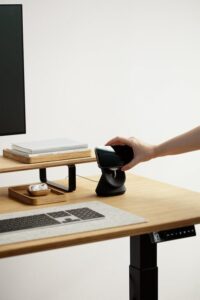
Choose a desk at the correct height so your elbows rest comfortably when typing. For added flexibility, consider a sit-stand desk that allows you to change positions throughout the day, promoting better circulation and reducing fatigue.
Organising Your Workspace
Declutter Real and Digital Space
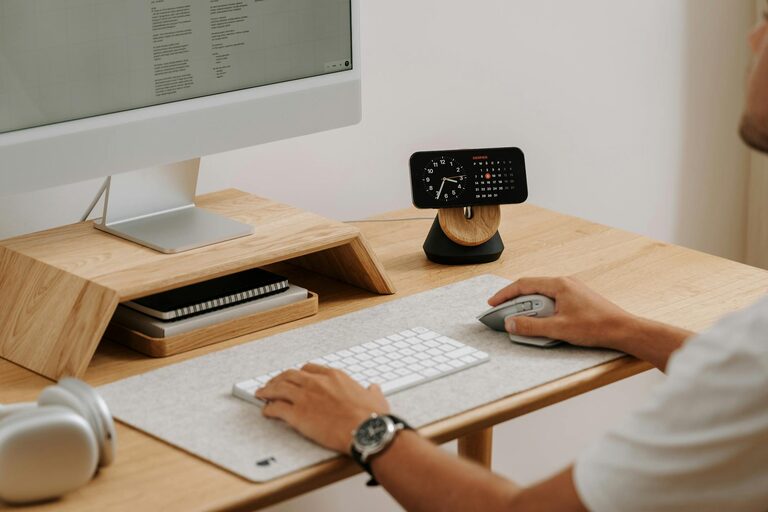
Keep your desk tidy by limiting items to essentials. Use trays, drawers or desk organisers to store stationery, documents, and tools neatly. Also, maintain a clean computer desktop and organise files for quick access.
Personalise Thoughtfully
Adding a few personal touches such as plants, photos or artwork can create a welcoming environment. However, avoid overcrowding your space with too many decorations that may divert your attention.
Optimising Lighting
Proper lighting is essential for comfort and focus.
– Position your desk to benefit from natural light without facing direct glare.
– Use adjustable desk lamps with warm, soft light for late-afternoon or evening work.
– Avoid overhead fluorescent lighting, which can be harsh and tiring for your eyes.
Incorporating Relaxation Elements
To create a calming workspace, consider:
– Adding indoor plants to improve air quality and provide a touch of nature.
– Using essential oil diffusers or mild scented candles with relaxing aromas like lavender or chamomile.
– Setting up a small area nearby for short breaks, like a comfortable chair or cushion for stretching and mindfulness exercises.
Managing Technology Efficiently
Ensure your technology supports productivity without causing strain.
– Position screens at eye level to prevent neck strain.
– Use a keyboard and mouse that suit your hand size and typing style.
– Keep cables organised with clips or sleeves to avoid tangles.
– Set up a reliable internet connection and backup power if necessary.
Establishing a Routine
Maintaining a regular work routine can help your mind associate your workspace with productivity.
– Start and finish work at consistent times.
– Schedule breaks away from your desk to refresh your mind.
– Limit non-work-related use of your workspace to reinforce boundaries.
Maintaining Air Quality and Temperature
A comfortable temperature and fresh air enhance concentration.
– Open windows regularly or use air purifiers.
– Adjust heating or cooling devices to maintain a moderate, comfortable temperature.
– Use breathable materials in furniture and decor to avoid stuffiness.
Final Thoughts
Designing a relaxing and productive home workspace is about balance. Focus on comfort, organisation, and a pleasant atmosphere to create a space where work feels less like a chore and more like an enjoyable part of your day. Remember, small changes can have a big impact, so start with a few tips and adapt your workspace over time to find what works best for you.