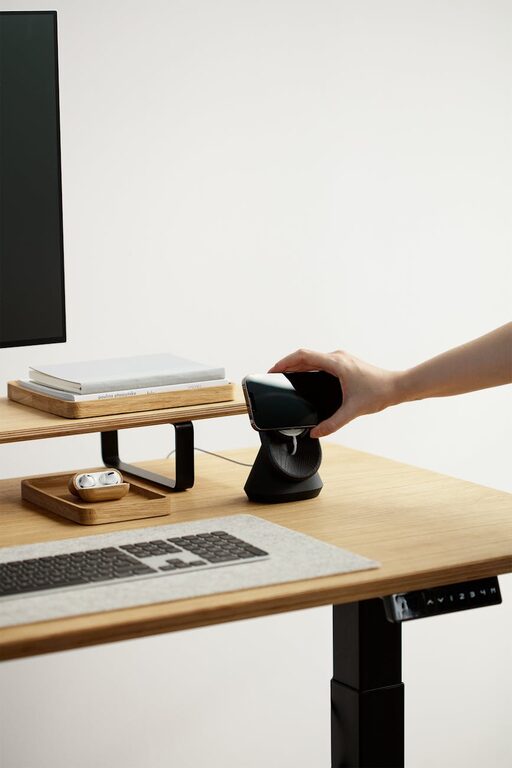
Setting up a home office that feels both relaxing and productive can be a real game-changer, especially for those who work remotely or freelance. Striking the right balance between comfort and efficiency helps maintain focus and reduces burnout. Here, we share key tips to help you create a workspace that supports both your wellbeing and your work goals.
Choose the Right Space
Selecting the ideal spot for your home office is the foundation of an effective workspace. Ideally, choose a quiet area of your home with good natural light. Natural sunlight can boost mood and energy, while a quieter corner helps minimise distractions. If space is limited, consider using screens or room dividers to separate your office from other living areas.
Consider Ergonomics
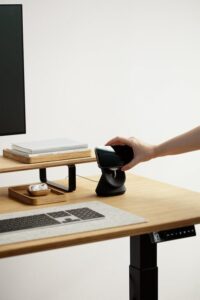
Investing in ergonomic furniture is essential for comfort and productivity. A supportive chair and a desk at the correct height prevent strain and encourage good posture. If possible, get a sit-stand desk to alternate your working position throughout the day.
Declutter and Organise
A tidy workspace clears the mind. Keep your desk free from unnecessary items to reduce distractions. Use storage solutions such as shelves, drawers, or filing cabinets to keep papers and equipment organised and easy to find. Label files and storage boxes for added convenience.
Personalise Your Space
Personal touches can make your home office inviting without being distracting. Add plants for a touch of nature—indoor plants improve air quality and create a calming atmosphere. Incorporate colours and artwork that inspire you, but keep overall decor simple to maintain focus.
Optimise Lighting
Good lighting is crucial. Position your desk near a window to benefit from daylight. Complement natural light with adjustable artificial lighting for cloudy days or late work sessions. Use a desk lamp with a warm light tone to reduce eye strain.
Minimise Noise and Distractions
If external noise is a problem, consider soundproofing options such as rugs, curtains, or acoustic panels to absorb sound. Noise-cancelling headphones can help you concentrate during busy household times. Inform household members of your working hours to minimise interruptions.
Set Boundaries
Establish clear work hours and communicate these to anyone you live with. Treat your home office as a dedicated work zone to help your mind switch into “work mode”. This separation helps improve focus during working hours and allows you to fully relax afterwards.
Incorporate Movement Breaks
Working from home may tempt you to stay seated for long periods. Schedule short breaks to stretch, walk, or do light exercises. Movement increases circulation, boosts energy levels, and helps maintain mental clarity throughout the day.
Technology and Connectivity
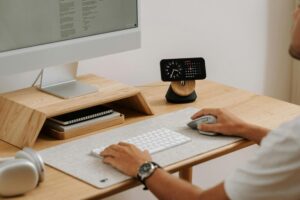
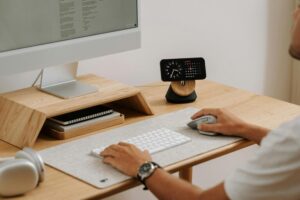
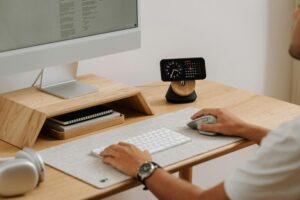
Ensure you have reliable internet and the necessary technology for your job. Position your computer screen at eye level and keep cables organised to avoid clutter and accidents. Regularly update software and maintain a clean digital workspace with organised folders and backups.
Keep Refreshments Handy
Stay hydrated and energised by keeping a water bottle and healthy snacks close by. Avoid sugary treats that can cause energy crashes. Having refreshments nearby reduces the need to leave your workspace frequently, helping maintain your workflow.
Create a Relaxation Zone
If space allows, include a small area for relaxation. A comfortable chair or cushion lets you take mental breaks, practice mindfulness, or read. This area encourages stepping away from work while remaining in your home office environment.
Regularly Review and Improve
Your home office needs may change over time. Take time every few months to evaluate your setup and make adjustments. Small improvements such as adding a new organiser, changing the lighting, or updating your chair can make a big difference.
—
Creating an environment that balances relaxation and productivity requires attention to detail, but the benefits are well worth the effort. A well-designed home office not only helps you get work done effectively but also supports your overall wellbeing. Start with these tips and tailor your space to what works best for you.