
Creating a cosy and inviting home environment is a wonderful way to encourage relaxation and happiness for both you and your guests. A cosy home is not about spending a fortune or following complex interior design trends, but rather about making thoughtful choices that promote comfort, warmth, and a welcoming atmosphere. In this post, we will explore practical tips you can use to transform your living space into a snug sanctuary.
Why a Cosy Home Matters
Your home is more than just a physical space—it’s a place where you recharge, enjoy quality time with loved ones, and express your personality. A cosy environment can reduce stress, improve mood, and foster a sense of belonging. Crafting this kind of space involves balancing aesthetics, comfort, and personal touches.
1. Focus on Warm, Soft Lighting
Lighting plays a crucial role in setting the mood of any room. Bright, harsh overhead lights can feel clinical, whereas soft, warm lighting creates an inviting glow.
– Use lamps with warm bulbs (2700K–3000K colour temperature) instead of cool white lights.
– Add dimmers to control light intensity and adapt it to different times of day or activities.
– Incorporate fairy lights or candles to bring a gentle shimmer for evenings.
– Position lights near seating areas to encourage reading or conversation.
2. Choose Comfortable Furniture and Textiles
Comfort is key to creating a cosy space. Furniture with soft cushions and supportive shapes invites relaxation.
– Opt for sofas and chairs with plush upholstery or add plenty of cushions and throws.
– Layer textures with knitted blankets, velvet cushions, or faux fur rugs to add tactile warmth.
– Consider the scale of your furniture; avoid overcrowding which can feel cramped and reduce comfort.
– Incorporate natural materials like wool, cotton, and linen for breathability and softness.
3. Create a Personal Touch with Decor
Adding personal elements makes your home feel inviting and unique.
– Display cherished photos, artwork, or souvenirs that evoke happy memories.
– Incorporate a few favourite books or magazines in your living area for a homely feel.
– Use houseplants to bring colour and life; they also improve air quality.
– Choose colour schemes that feel calming—muted tones like creams, soft greys, gentle blues, or pastel shades work well.
4. Organise to Reduce Clutter
A clutter-free environment naturally feels more relaxing. Aim for neatness without sacrificing personality.
– Use stylish storage boxes or baskets to keep everyday items tidy.
– Maintain designated spaces for keys, mail, and frequently used items to avoid mess.
– Regularly declutter to keep only what you love or need.
– Consider multi-functional furniture such as storage ottomans to maximise space.
5. Incorporate Soothing Scents
Scent can subtly influence atmosphere and emotions.
– Use natural candles, essential oil diffusers, or simmer pots with cinnamon, vanilla, or lavender to create a welcoming smell.
– Choose scents that you find comforting and gentle, avoiding overpowering fragrances.
– Rotate scents according to season or mood to keep your space feeling fresh.
6. Pay Attention to Temperature and Air Quality
Comfort extends beyond how a room looks—it includes how it feels and smells.
– Ensure your home is well insulated to maintain a consistent temperature.
– Use rugs and curtains to retain warmth during colder months.
– Ventilate regularly to keep air fresh and reduce dampness.
– Consider using a humidifier if your home feels dry, especially in winter.
7. Create Cozy Corners
Designate small areas in your home as relaxing nooks to encourage restful moments.
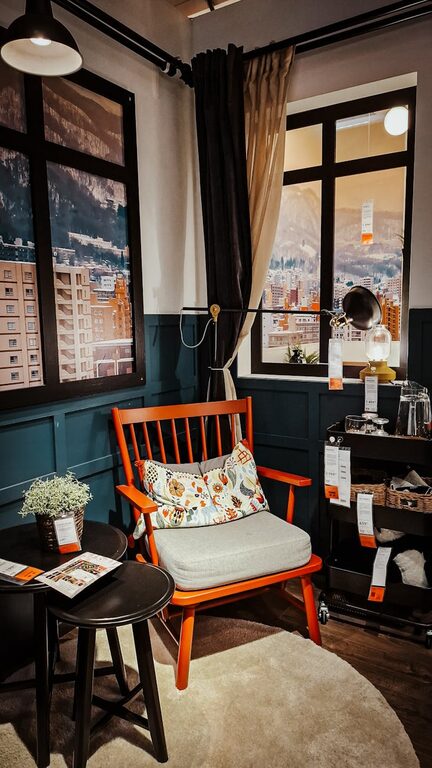
– Add a comfortable armchair with a blanket and a side table for books or drinks.
– A window seat with soft cushions makes a perfect spot for daydreaming or watching the world.
– Use room dividers or shelving to carve a peaceful zone in open-plan spaces.
8. Mind the Sounds
Sound influences our sense of calm and comfort.
– Use soft textiles and rugs to absorb noise and reduce echo.
– Consider a small water feature for gentle, natural sounds.
– Play soft background music or nature sounds during quiet times to enhance relaxation.
Final Thoughts
Making your home cosy and inviting is about creating a balance between comfort, style, and personality. By focusing on soft lighting, comfortable furnishings, personal touches, organisation, pleasant scents, and ambient sounds, you can turn any space into a welcoming retreat. Start with a few simple changes and notice how your home becomes a place you love to return to each day.
Remember, a cosy home reflects your lifestyle and preferences—embrace what feels right for you. Enjoy the process of making your space truly your own.